This October, we’re switching things up. Instead of our usual travel tips, we’re pulling back the curtains on real travel planning conversations we’re having with travelers just like you — the questions they ask, the decisions they weigh, and the thinking that goes into helping them choose the right experience.
This week’s conversation started with a plot twist.
Earlier this year, we had planned a beautiful Italy-and-France vacation for a family of four: two parents and two teenagers. Rome, Venice, Paris — the classics, thoughtfully paced. Then life happened, as it so often does. Their plans shifted, and the family came back to us with a completely different vision.
This time, they were dreaming about a spring getaway. And they had three destinations on the table:
If you’ve ever stared at a list like that and felt both thrilled and completely stuck, you’re in good company. These are three incredible places. They’re also three entirely different trips.
The Questions Behind the Question: Engaging in Travel Planning Conversations
It would have been easy to answer with a favorite. Every advisor has one. But a destination name only tells you where you’re going, not how the trip will feel once you’re there.
So before recommending anything, I set the three names aside and asked the questions that actually shape a family vacation:
- Who are we planning for? Two parents and two teenagers is its own kind of group. What delights a 15-year-old isn’t always what recharges a parent, and the best trips have room for both.
- What’s the right mix? Adventure, beaches, culture, history and those “remember when” moments all mattered here. The question was which destination balanced them best.
- What will getting there cost them in time and energy? Flight length, connections, time-zone changes and jet lag aren’t glamorous details, but they can quietly shape the first few days of a trip.
- How easy is it to get around? Some destinations let you wander freely. Others reward a guide, a driver and a well-built plan.
- Where is the strongest value? Not the lowest price, but the most experience, comfort and memory for the investment.
- What’s happening there right now? Current conditions, regional considerations and travel advisories are part of responsible planning, every single time.
None of these questions has a universal right answer. That’s exactly the point.
Three Destinations, Three Very Different Trips

Hawaii: Ease, Adventure and Variety
Hawaii is the destination that says yes to almost everything. Volcanoes, snorkeling, surfing lessons, waterfall hikes, beaches and meaningful cultural experiences can all fit into one trip. On the Big Island, there’s even the chance to snorkel at night with manta rays, the kind of experience teenagers talk about for years.
For U.S. travelers, Hawaii also brings real ease: no passports, familiar currency, straightforward logistics and a smaller time-zone adjustment than a trip across the globe.
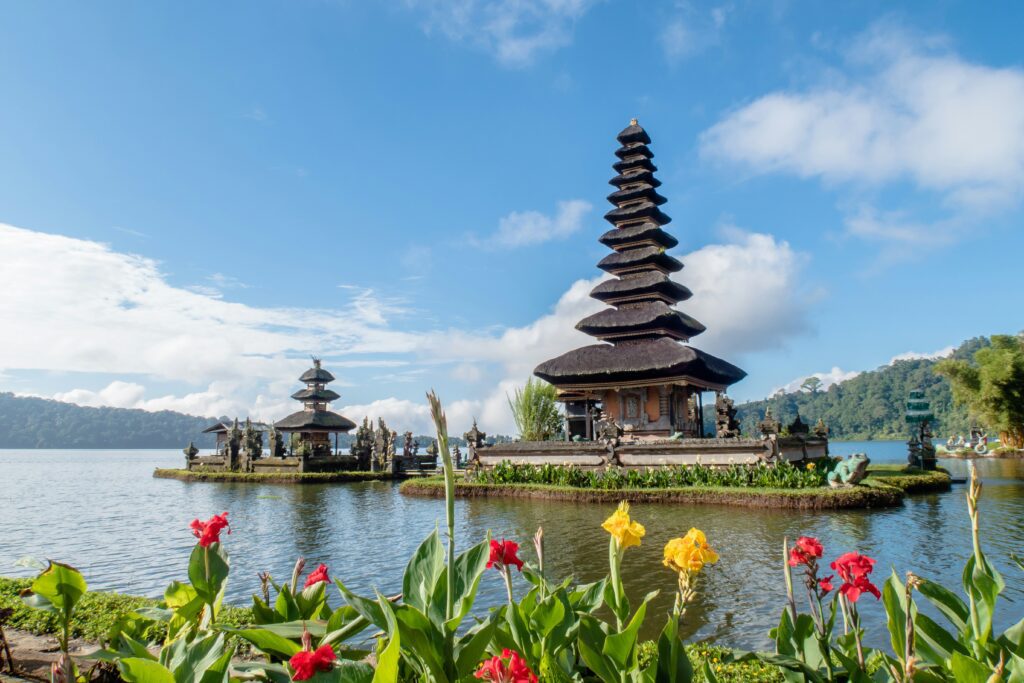
Bali: Culture, Beauty and Something Entirely New
Bali offers a completely different rhythm. Inland, Ubud is the island’s cultural heart, with temples, emerald rice terraces, jungle waterfalls, river rafting and hands-on cooking classes. It’s a place that invites you to slow down and take part rather than simply watch.
On the coast, areas like Nusa Dua, Jimbaran and Seminyak add beautiful beaches and luxury resorts, often at a value that’s hard to match elsewhere. Splitting a stay between Ubud and the coast gives a family both immersion and downtime.

Egypt: History You Can Stand Inside
Egypt may offer the greatest sense of discovery of all three. Ancient sites, archaeology and cultural experiences that once lived only in textbooks suddenly stand right in front of you.
Egypt also asks for more careful planning. Logistics, current travel advisories and the level of guidance a family wants all deserve thoughtful attention. For many travelers, a well-guided Egypt trip is unforgettable. The question is whether it’s the right fit for this family, this spring.
Narrowing It Down
This is where travel planning becomes much more than comparing prices. The real question isn’t “Which destination is best?” It’s “Which destination fits these travelers best?”
We looked at the full picture: the family’s dynamics, their travel experience, flight logistics, the activities that would genuinely excite everyone, overall value and their comfort level. With all of that in view, we narrowed the options to two: Hawaii and Bali.
Both were strong choices. Hawaii offered ease and endless variety. Bali offered something deeper and more unfamiliar.

And the Family Chose… Bali
Why Bali? Because it offered something distinctly different from anything they had experienced before. It paired that sense of newness with strong value, real cultural depth, beautiful resorts and plenty to do for both the parents and the teens.
It was the destination that matched who they are as travelers right now, and the kind of memories they wanted to bring home.
What Happens Behind the Scenes
Most of what goes into a great trip is invisible by the time you’re on it. You don’t see the questions asked, the options weighed or the destinations set aside. You just feel it when everything fits.
That’s the heart of what we do. The “best” destination isn’t necessarily the most popular one, the least expensive one or the one everyone is talking about this year.
It’s the one that makes the most sense for you.
Your Turn
Torn between a few dream destinations of your own?
That’s our favorite kind of conversation. Tell us who’s traveling, what you’re hoping to feel and what’s on your list, and we’ll help you find the trip that truly fits.
Start your planning conversation with White Sand Traveler.
Come back next Tuesday for another real conversation from our October series.